
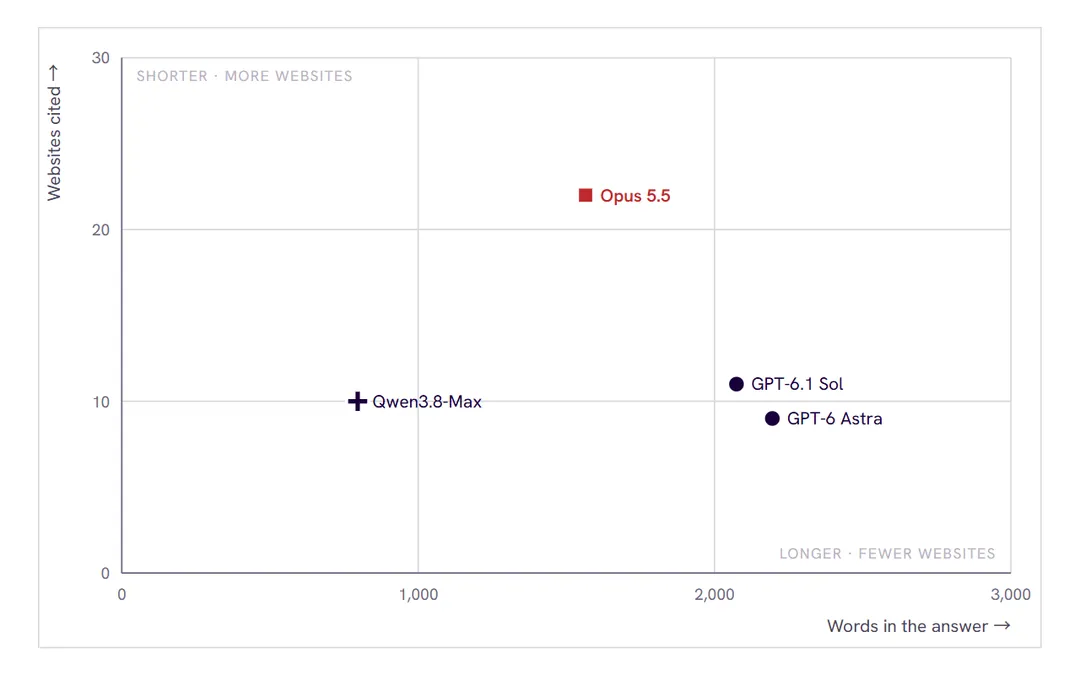
Qwen3.8-Max at Thinking, asked 6 Oct 2026
One answer from the comparison, shown in full as the model produced it on 6 October 2026. Nothing is edited. Its 10 cited links have not been opened, so this page does not say whether the pages back what it wrote.
To "hill climb" in the Japanese food market, you must pivot from consumer curiosities (novelty flavors, limited editions) to fulfilling absolute demographic and economic needs. Japan faces structural crises that dictate exactly what buyers must purchase to survive.
1. The Aging Population: Dysphagia & Functional Nutrition
Japan’s aging population strictly requires food that is easy to chew, swallow, and digest. Close to 90% of municipalities in Japan need to improve accessibility to food for elderly consumers (source: https://www.foodnavigator.com/Article/2024/05/13/Japan-Focus-NEXT-MEATs-food-aid-for-elderly-cultivated-proteins-sustainability-goals-functional-foods/, 2024-05-15). Japan represents the most mature global market for Dysphagia Nursing Care Food, specifically targeting "Easy to Chew" textures (source: https://www.openpr.com/news/4450071/dysphagia-nursing-care-food-research-the-global-market-size, 2026-01-01). The functional food market targeting the elderly increased from USD 100.1 Million in 2025 to USD 106.6 Million in 2026 (source: https://www.imarcgroup.com/japan-functional-food-for-elderly-market, 2026-01-01). Product Line Customization: Formulate enzymatically softened foods that look visually appetizing but require zero chewing effort, fortified with protein, calcium, and hydration elements.
2. Solo Households: Single-Serve & Zero Waste
Single-person households lack the space, time, or capacity for family-sized meals or food waste. In Japan, 37% of households consist of exactly one person (source: https://www.marketdataforecast.com/market-reports/packaged-vegan-food-market, 2026-07-28). The Japan Ready-to-Eat (RTE) Meals Market reached USD 11.6 billion in 2025 (source: https://marksparksolutions.com/press-releases/japan-ready-to-eat-meal-market, 2026-01-01). The individual-consumption food market continues to grow robustly as consumers shift away from bulk grocery hauls (source: https://www.yanoresearch.com/press/press.php/4136, 2026-01-01). Product Line Customization: High-quality, single-serve frozen bento components or retort pouches engineered for single-hand opening, microwave compatibility, and ultra-compact disposal.
3. B2B Labor Crisis: Pre-Prepped Ingredients
The Japanese restaurant industry is facing a severe labor crisis, exacerbated by the suspension of new foreign worker intake for food service in 2026 (source: https://mainichi.jp/english/articles/20260820/p2a/00m/0bu/018000c, 2026-08-24). Restaurants strictly need pre-portioned, frozen ingredients that eliminate back-of-house prep time. The food processing sector saw growth specifically in frozen foods as businesses automate kitchen operations (source: https://www.fas.usda.gov/data/gain/2026/04/japan-food-processing-ingredients-annual, 2026-04-01). Product Line Customization: Pivot to B2B. Supply bulk frozen vegetable mixes, pre-marinated proteins, and "dump-and-cook" sauce bases for skeleton-crew kitchens.
4. Inflation Survival: Shelf-Stability & Stretch
Japan's ratio of household spending on food hit a 44-year high in 2025 (source: https://www.facebook.com/thejapantimes/posts/japans-ratio-of-household-spending-on-food-hit-a-44-year-high-in-2025-reflecting/1308056018026650/, 2026-02-01). Consumers strictly need cost-effective, calorie-dense, and long-shelf-life staples to survive the economic squeeze (source: https://www.jcer.or.jp/english/how-are-japanese-households-coping-with-the-price-increases, 2025-12-18). Product Line Customization: Formulate value-engineered staple extenders (soy, okara, or konjac blends) and shelf-stable emergency pantry foods for disaster preparedness.
Downloadable Markdown File
Copy the code block below and save it as japan_food_strategy.md.
# Japan Food Market: Strategic Needs & Growth Vectors

## 1. The Aging Population: Dysphagia & Functional Nutrition
Japan’s aging population strictly requires food that is easy to chew, swallow, and digest. Close to 90% of municipalities in Japan need to improve accessibility to food for elderly consumers (source: https://www.foodnavigator.com/Article/2024/05/13/Japan-Focus-NEXT-MEATs-food-aid-for-elderly-cultivated-proteins-sustainability-goals-functional-foods/, 2024-05-15). Japan represents the most mature global market for Dysphagia Nursing Care Food, specifically targeting "Easy to Chew" textures (source: https://www.openpr.com/news/4450071/dysphagia-nursing-care-food-research-the-global-market-size, 2026-01-01). The functional food market targeting the elderly increased from USD 100.1 Million in 2025 to USD 106.6 Million in 2026 (source: https://www.imarcgroup.com/japan-functional-food-for-elderly-market, 2026-01-01).

**Product Line Customization:** Formulate enzymatically softened foods that look visually appetizing but require zero chewing effort, fortified with protein, calcium, and hydration elements.

## 2. Solo Households: Single-Serve & Zero Waste
Single-person households lack the space, time, or capacity for family-sized meals or food waste. In Japan, 37% of households consist of exactly one person (source: https://www.marketdataforecast.com/market-reports/packaged-vegan-food-market, 2026-07-28). The Japan Ready-to-Eat (RTE) Meals Market reached USD 11.6 billion in 2025 (source: https://marksparksolutions.com/press-releases/japan-ready-to-eat-meal-market, 2026-01-01). The individual-consumption food market continues to grow robustly as consumers shift away from bulk grocery hauls (source: https://www.yanoresearch.com/press/press.php/4136, 2026-01-01).

**Product Line Customization:** High-quality, single-serve frozen bento components or retort pouches engineered for single-hand opening, microwave compatibility, and ultra-compact disposal.

## 3. B2B Labor Crisis: Pre-Prepped Ingredients
The Japanese restaurant industry is facing a severe labor crisis, exacerbated by the suspension of new foreign worker intake for food service in 2026 (source: https://mainichi.jp/english/articles/20260820/p2a/00m/0bu/018000c, 2026-08-24). Restaurants strictly need pre-portioned, frozen ingredients that eliminate back-of-house prep time. The food processing sector saw growth specifically in frozen foods as businesses automate kitchen operations (source: https://www.fas.usda.gov/data/gain/2026/04/japan-food-processing-ingredients-annual, 2026-04-01).

**Product Line Customization:** Pivot to B2B. Supply bulk frozen vegetable mixes, pre-marinated proteins, and "dump-and-cook" sauce bases for skeleton-crew kitchens.

## 4. Inflation Survival: Shelf-Stability & Stretch
Japan's ratio of household spending on food hit a 44-year high in 2025 (source: https://www.facebook.com/thejapantimes/posts/japans-ratio-of-household-spending-on-food-hit-a-44-year-high-in-2025-reflecting/1308056018026650/, 2026-02-01). Consumers strictly need cost-effective, calorie-dense, and long-shelf-life staples to survive the economic squeeze (source: https://www.jcer.or.jp/english/how-are-japanese-households-coping-with-the-price-increases, 2025-12-18).

**Product Line Customization:** Formulate value-engineered staple extenders (soy, okara, or konjac blends) and shelf-stable emergency pantry foods for disaster preparedness.
End of the answer. AI-generated, unverified. Asked 6 Oct 2026.
10 websites, 10 links.
The same count the comparison's density chart uses. A website is a distinct hostname. None of these pages has been opened and compared with its passage.
| Website | Links |
|---|---|
| facebook.com | 1 |
| fas.usda.gov | 1 |
| foodnavigator.com | 1 |
| imarcgroup.com | 1 |
| jcer.or.jp | 1 |
| mainichi.jp | 1 |
| marketdataforecast.com | 1 |
| marksparksolutions.com | 1 |
| openpr.com | 1 |
| yanoresearch.com | 1 |
Read another answer.
| Model | Setting | Asked | Words | Websites |
|---|---|---|---|---|
| Opus 5.5 | Extra | 6 Oct 2026 | 1,565 | 22 |
| GPT-6.1 Sol | Max | 6 Oct 2026 | 2,074 | 11 |
| GPT-6 Astra | Max | 6 Oct 2026 | 2,195 | 9 |