面對加藤產業採購的問題,哪個AI模型的網路搜尋做得更好?
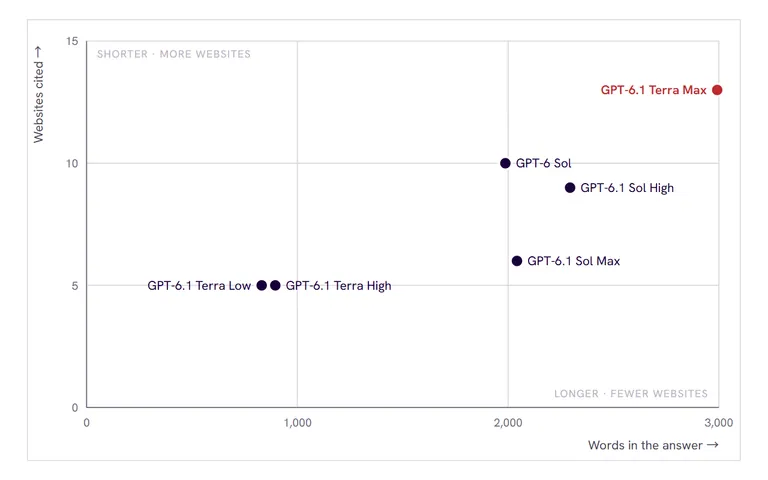
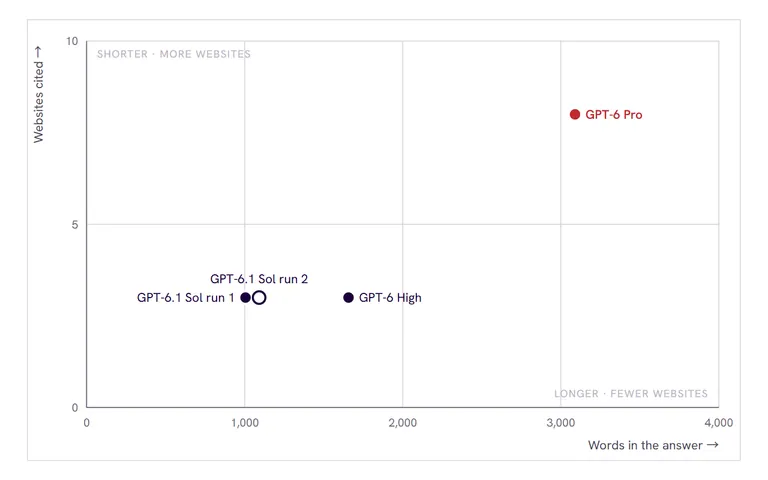
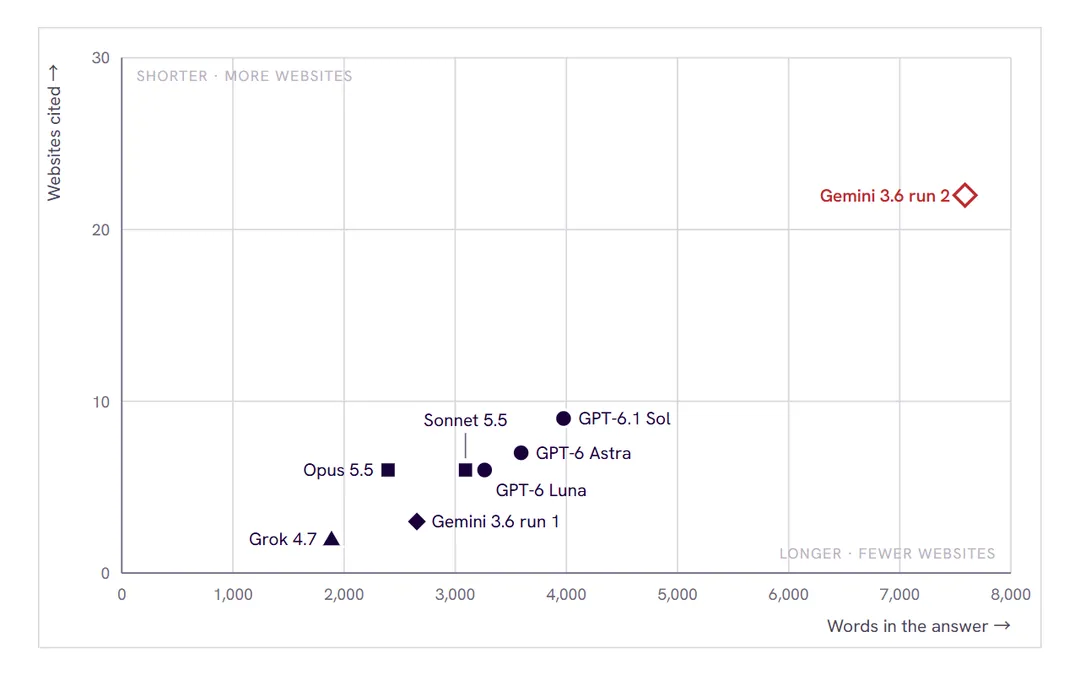
我們在開啟網路搜尋的情況下,把同一份關於日本食品批發商加藤產業的研究指示交給七個AI模型,其中Gemini 3.6回答了兩次。本頁計算每則回答引用了多少網站,並與回答的長度對照。我們還沒有打開引用的連結,查看它們是否支持回答的內容。本頁比較的是模型本身,而不是它們給的建議。
照原文逐字呈現。
ROLE
You are a senior B2B research analyst specializing in the Japanese food and beverage distribution industry. You research in both Japanese and English and you never fabricate sources.
CONTEXT
Target company: 加藤産業株式会社 (Kato Sangyo Co., Ltd.), https://www.katosangyo.co.jp/ It is a Japanese food and beverage wholesaler. Verify basic facts (HQ, listing, size, business segments, group companies, private brands, import business, overseas subsidiaries) yourself before using them.
The research supports a market entry consultancy that helps overseas food and beverage brands enter Japan. We want to understand Kato Sangyo's pains, struggles and concerns in SOURCING new, interesting or differentiated products (domestic or imported), so we can judge whether and how we could help.
RESEARCH QUESTION
What pains, struggles and concerns does Kato Sangyo face in finding, evaluating, onboarding and scaling interesting and high-quality products, and what evidence supports each one?
SCOPE: investigate at minimum
1. Sourcing strategy: what the company says it wants (new categories, imports, private brand, regional products, health, premium, convenience).
2. Discovery: how it finds new products and suppliers (trade shows such as FOODEX JAPAN, its own exhibitions, overseas offices, partners).
3. Import and overseas sourcing: FX/yen weakness, logistics cost, Japanese labeling and regulatory compliance, minimum order quantities, shelf life, quality assurance.
4. Retailer side pressure: retailer consolidation, retailer private brands, shelf space competition, demands for differentiation, price pass through.
5. Margins and cost: wholesaler margin squeeze, rebates, logistics 2024 problem (物流2024年問題), labor shortages, cost inflation.
6. Supplier side issues: manufacturer consolidation, direct to retail sales bypassing wholesalers, small suppliers lacking Japan readiness.
7. Internal capability: merchandising (MD) talent, data, speed of new product introduction, risk tolerance.
8. Competitive context: how peers (e.g. Mitsubishi Shokuhin, Nippon Access, Kokubu Group, Itochu Shokuhin) address the same issues, only where it clarifies Kato Sangyo's position.
SOURCES: priority order
1. Primary: 有価証券報告書, 決算説明資料, 中期経営計画, 統合報告書, IR Q&A, press releases, the corporate website.
2. Executive statements: interviews and speeches by top management in trade media (日本食糧新聞, 食品新聞, 日経MJ, 日本経済新聞, etc.).
3. Secondary: analyst notes, industry reports, government or industry association data.
4. Weak signals: job postings (e.g. buyer or MD roles), exhibitor pages, event reports. Search in Japanese first, then English. Prefer material from the last 3 years and label anything older.
RULES
- Every factual claim must have a source link at the end of that sentence or paragraph, with the publication date in the format (YYYY-MM-DD or YYYY-MM).
- Tag each finding: [FACT] directly stated in a source; [INFERENCE] your reasoning from sources; [HYPOTHESIS] plausible but unsupported, to validate in interviews.
- Give a confidence level (High / Medium / Low) for each pain point.
- Quote the original Japanese for key statements and add an English translation.
- If you cannot find evidence, write "No evidence found" and do not fill the gap with assumptions.
- Do not invent URLs, document titles, figures or quotes. If you are unsure a source exists, leave it out.
- Do not use em dashes in your output.
OUTPUT FORMAT (follow exactly)
1. Company snapshot
5 to 8 bullets with verified basics, each with a source and date.
2. Pain point table
| # | Pain point | Category (from Scope 1 to 8) | Evidence summary | Tag | Confidence | Source (link + date) |
Aim for 8 to 15 rows, ranked by severity for the sourcing function.
3. Top 5 pains in depth
For each: what the pain is, why it exists, how it shows up in day to day sourcing, what the company is already doing about it, and what remains unsolved.
4. Implications for an overseas brand or entry partner
What an overseas supplier must have or prove to get past these pains (e.g. Japanese labeling ready, inventory held in Japan, marketing support, pricing structure).
5. Open questions for interviews
8 to 10 questions to validate the [HYPOTHESIS] items with a Kato Sangyo buyer or MD manager.
6. Source list
All sources with title, publisher, date and URL. Mark primary sources with ★.
7. Research self report
- Searches you ran (queries, JA and EN)
- Sources you tried but could not access
- Your biggest uncertainty in this report
- Date of research
角色
你是一位專精日本食品飲料流通產業的資深B2B研究分析師。你以日文和英文進行研究,絕不捏造資料來源。
背景
目標公司:加藤産業株式会社(Kato Sangyo Co., Ltd.),https://www.katosangyo.co.jp/。這是一家日本的食品飲料批發商。使用基本資料(總部、上市狀況、規模、事業部門、集團公司、自有品牌、進口業務、海外子公司)之前,請先自行查證。
這項研究是為了支援一家市場進入顧問公司,這家公司協助海外食品飲料品牌進入日本。我們想了解加藤產業在採購(SOURCING)新的、有趣或有差異化的商品(國內或進口)時有哪些痛點、困難和顧慮,以便判斷我們是否能幫上忙、又能怎麼幫。
研究問題
加藤產業在尋找、評估、導入及擴大銷售有趣且高品質的商品時,面臨哪些痛點、困難和顧慮?每一項各有哪些證據支持?
範圍:至少調查以下項目
1. 採購策略:公司表示自己想要什麼(新品類、進口、自有品牌、地方特色商品、健康、高價位、便利)。
2. 發掘新品:公司如何找到新商品和供應商(FOODEX JAPAN等展會、自辦的展示會、海外據點、合作夥伴)。
3. 進口與海外採購:匯率/日圓貶值、物流成本、日文標示與法規遵循、最低訂購量、保存期限、品質保證。
4. 零售端壓力:零售業整併、零售商自有品牌、貨架空間競爭、差異化要求、價格轉嫁。
5. 毛利與成本:批發商毛利遭壓縮、回饋金、物流2024年問題、人力短缺、成本上漲。
6. 供應端問題:製造商整併、繞過批發商直接賣給零售商、小型供應商尚未做好進入日本的準備。
7. 內部能力:商品企劃(MD)人才、數據、新品導入速度、風險承受度。
8. 競爭環境:同業(例如三菱食品、Nippon Access、國分集團、伊藤忠食品)如何處理相同的問題,但只寫有助於釐清加藤產業定位的部分。
資料來源:優先順序
1. 一手資料:有価証券報告書、決算説明資料、中期経営計画、統合報告書、IR Q&A、新聞稿、公司官網。
2. 經營高層的發言:最高經營層在產業媒體(日本食糧新聞、食品新聞、日経MJ、日本経済新聞等)上的專訪和演講。
3. 二手資料:分析師報告、產業報告、政府或產業團體的數據。
4. 弱訊號:徵才資訊(例如採購或MD職缺)、參展商頁面、活動報導。先用日文搜尋,再用英文搜尋。優先採用最近3年的資料,較舊的資料要標明。
規則
- 每一項事實陳述都必須在該句或該段落結尾附上資料來源連結,並以(YYYY-MM-DD或YYYY-MM)的格式註明發布日期。
- 為每項發現加上標籤:[FACT]是資料來源直接陳述的內容;[INFERENCE]是你根據資料來源所做的推論;[HYPOTHESIS]是看似合理但沒有佐證、需要透過訪談驗證的內容。
- 為每個痛點標示信心程度(High / Medium / Low)。
- 重要發言要引用日文原文,並附上英文翻譯。
- 如果找不到證據,請寫「No evidence found」,不要用假設填補空白。
- 不要捏造網址、文件標題、數字或引述。如果不確定某個資料來源是否存在,就不要列入。
- 輸出內容中不要使用破折號(em dash)。
輸出格式(請完全照做)
1. 公司概況
5至8點經過查證的基本資料,每點都附上資料來源和日期。
2. 痛點表格
| # | 痛點 | 類別(範圍1至8) | 證據摘要 | 標籤 | 信心程度 | 資料來源(連結+日期) |
目標是8至15列,依對採購部門的嚴重程度排序。
3. 前5大痛點深入分析
每一項都要說明:痛點是什麼、為什麼會存在、在日常採購中如何呈現、公司已經採取哪些對策,以及還有哪些沒有解決。
4. 對海外品牌或市場進入合作夥伴的意涵
海外供應商必須具備或證明哪些條件,才能突破這些痛點(例如已備妥日文標示、在日本備有庫存、行銷支援、價格結構)。
5. 訪談時要確認的問題
8至10個問題,用來向加藤產業的採購人員或MD主管驗證[HYPOTHESIS]項目。
6. 資料來源清單
列出所有資料來源,包含標題、發布者、日期和網址。一手資料以★標示。
7. 研究自我報告
- 你執行過的搜尋(查詢詞,日文與英文)
- 嘗試過但無法存取的資料來源
- 本報告中你最大的不確定之處
- 研究日期
這份指示指明了公司和它的網站,並為想要的資料來源排出優先順序:首先是有價證券報告書和投資人資料,其次是產業媒體上的高層專訪,再來是分析師和產業報告,最後是徵才資訊。它要求每一項事實陳述都附上資料來源連結和日期,重要發言要附上日文原文。這項測試看的是模型能否找到日文的一手文件和產業媒體報導。
哪個模型搜尋得更深入?
以表格顯示
| 回答 | 字數(英文) | 引用網站數 |
|---|
引用的網站越多,代表模型搜尋得越廣,但不代表回答正確。這需要下方的連結檢查,而這個問題的檢查還沒有進行。
引用的網頁是否支持模型所寫的內容?尚未檢查。
在已檢查的比較中,我們會打開每個引用連結,並將網頁與引用它的段落比對。這個問題還沒有做這項檢查。下方數字顯示需要檢查的量。
引用連結 · 每個連結一個方格,尚未打開任何連結
在檢查完成之前,請把這些回答中的每個數字都當作線索,而不是事實。數字放進您的計畫之前,請先打開網頁確認。想看看完成的檢查是什麼樣子,請閱讀這項比較:口譯員與翻譯工具在展會攤位上的效果如何。
用AI做研究時,這對選擇模型代表什麼。
每則回答都引用了該公司自己的網站。
這份指示把公司官網列為一手資料來源之一。八則回答引用的網站都包含katosangyo.co.jp。
Gemini 3.6第1次執行的連結大多指向Google。
它的連結文字顯示了它要指的網頁,大多在katosangyo.co.jp上。但它的34個連結目標中,有31個是Google搜尋網址,在查詢字串中帶著那個網頁的網址。我們沒有打開這些連結,因此對原本要連到的網頁內容不做任何評論。
同一個模型給出了差異很大的兩則回答。
Gemini 3.6在同一個設定下執行了兩次。第1次執行有2,655字,引用3個網站。第2次執行有7,587字,引用22個。
每則回答與它的數字。
| 模型 | 設定 | 提問日期 | 字數(英文) | 網站數 | 連結數 |
|---|---|---|---|---|---|
| Opus 5.5英文 | High | 2026年10月4日 | 2,396 | 6 | 17 |
| Sonnet 5.5英文 | High | 2026年10月4日 | 3,177 | 6 | 21 |
| GPT-6 Luna英文 | High | 2026年10月4日 | 3,180 | 6 | 16 |
| GPT-6.1 Sol英文 | High | 2026年10月4日 | 3,975 | 9 | 29 |
| GPT-6 Astra英文 | High | 2026年10月4日 | 3,593 | 7 | 21 |
| Gemini 3.6英文 | Thinking | 2026年10月4日 | 2,655 | 3 | 18 |
| Gemini 3.6英文 | Thinking | 2026年10月4日 | 7,587 | 22 | 30 |
| Grok 4.7英文 | Fast | 2026年10月4日 | 1,887 | 2 | 12 |