
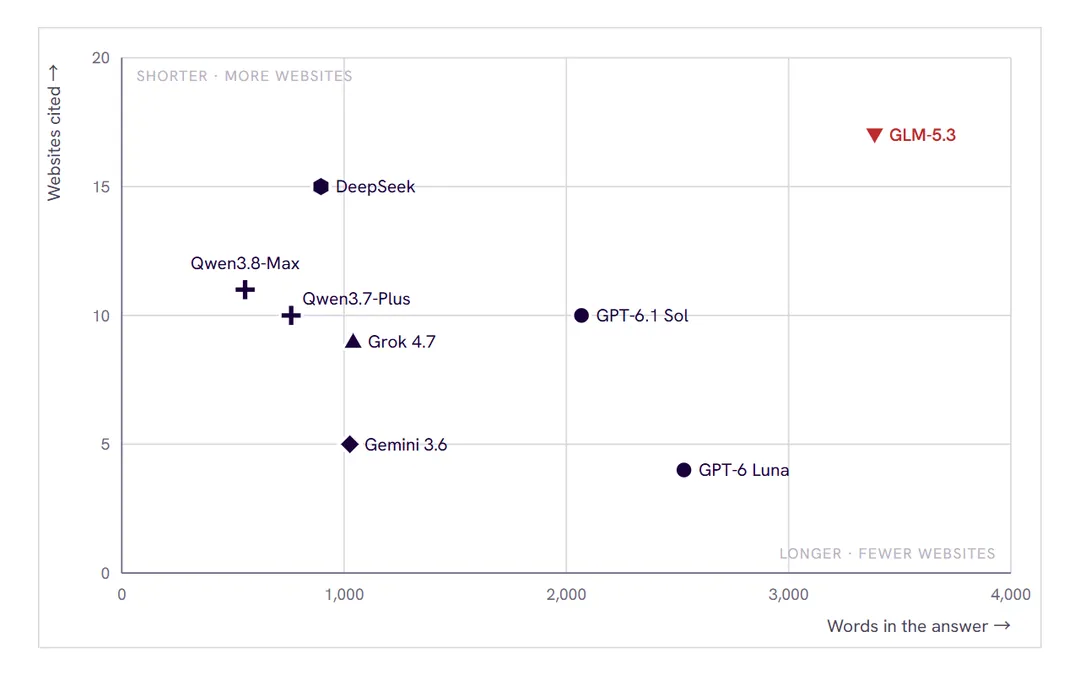
GLM-5.3 at Not selected, asked 9 Oct 2026
One answer from the comparison, shown in full as the model produced it on 9 October 2026. Nothing is edited. Its 19 cited links were opened and graded on 31 October 2026: 27 of 39 cited passages are fully backed. The comparison explains the check.
Mastering the Japanese Food Wholesale Market: Complete Strategic Guide
Comprehensive analysis of Japanese business culture, RFQ processes, negotiation strategies, and competitive tactics for food suppliers
Table of Contents
- Understanding Japanese Business Culture
- Navigating the RFQ Process
- Negotiation Strategies and Pricing Tactics
- Regulatory Compliance Requirements
- Innovative Strategies to Outsmart Competitors
- Long-Term Relationship Building
- Strategic Recommendations
- Appendix: Source Documentation
Executive Summary
Successfully entering the Japanese food wholesale market requires more than competitive pricing—it demands cultural fluency, regulatory precision, and strategic innovation. This guide provides actionable insights for navigating Japanese business etiquette, optimizing your RFQ responses, implementing effective negotiation strategies, and differentiating yourself from competitors through innovative approaches that deliver significant value to retailers and wholesalers.
Key Highlights:
- Japanese business relationships prioritize long-term partnership over transactional gains
- Quality certifications (HACCP, ISO 22000, JAS) are non-negotiable for market entry
- Indirect communication requires careful interpretation of responses
- Innovation must align with Japanese cultural values of craftsmanship and seasonality
1. Understanding Japanese Business Culture
1.1 Core Cultural Principles
Relationship Before Transaction (Kankei)
Japanese business culture prioritizes building trust-based relationships before pursuing transactions. Initial meetings should focus on establishing rapport rather than discussing specifics.
"Japanese wholesalers value long-term relationships with growth potential over one-off transactions. It is important to sincerely communicate your business plan, market positioning, and why you are interested in Japanese products." — Travesia: Japan's Unique Wholesaler System
Research indicates that companies investing in relationship-building through factory visits and social interactions secure 10-15% better pricing and more favorable terms than those conducting business solely through email. This aligns with the cultural concept of nemawashi (behind-the-scenes consensus building), where decisions are made through informal consensus before formal meetings.
Face-Saving and Indirect Communication
Direct rejection or aggressive negotiation tactics are considered highly disrespectful and can damage business relationships irreparably. Key phrases to understand:
| Japanese Phrase | Literal Meaning | Actual Meaning |
|---|---|---|
| "Kentō shimasu" | "We will consider it" | Often means "no" |
| "Muzukashii desu" | "That is difficult" | Usually means "impossible" |
| "Naiin de sōdan shimasu" | "We need to discuss internally" | Indicates rejection |
| "Soredake desu ka?" | "Is that all?" | May express disappointment |
"Asking for a price directly is sometimes viewed as a 'transactional short-circuit' that ignores the essential relationship-building process. When you jump straight to 'Ikura desu ka,' you risk signaling that your interest is purely commoditized." — Japaphrase: Business Japanese Guide
Group Decision-Making (Ringi System)
Decisions in Japanese companies are made through consensus-building across multiple stakeholders, a process that takes significantly longer than in Western companies. What might take two weeks in the U.S. often takes 2-3 months in Japan.
"Decision-making in Japanese companies involves consensus-building across multiple stakeholders. A process that takes 2 weeks in the US takes 2 to 3 months in Japan. This is not inefficiency. It means that when a Japanese distributor commits, they are genuinely committed." — Getopener: Finding Your First CPG Distributor in Japan
1.2 Business Etiquette Fundamentals
flowchart TD
    A[Pre-Meeting Preparation] --> B[Business Card Exchange<br/>Meishi Kokan]
    B --> C[Seating Arrangement<br/>Hierarchy-Based]
    C --> D[Communication Style<br/>Indirect & Polite]
    D --> E[Gift-Giving Protocol<br/>Omiyage]
    E --> F[Follow-Up Etiquette<br/>Timely & Formal]

    style A fill:#f8fff8,stroke:#4caf50,color:#1b5e20
    style B fill:#f8fff8,stroke:#4caf50,color:#1b5e20
    style C fill:#f8fff8,stroke:#4caf50,color:#1b5e20
    style D fill:#f8fff8,stroke:#4caf50,color:#1b5e20
    style E fill:#f8fff8,stroke:#4caf50,color:#1b5e20
    style F fill:#f8fff8,stroke:#4caf50,color:#1b5e20
Business Card Ritual (Meishi Kokan)
- Exchange business cards using both hands with a slight bow
- Carefully study the card you receive, and place it respectfully on the table during meetings
- Never place cards in your back pocket or wallet immediately
- Ensure your business cards are printed in Japanese on one side
"The exchange of business cards is a very important ritual. You should exchange cards with both hands, and after receiving a card, you should carefully study it and place it on the table in front of you." — Business Japanese Etiquette Guide
Meeting Protocols
- Arrive 5-10 minutes early as punctuality is highly valued
- Follow hierarchy-based seating arrangements with the most senior person from each side sitting opposite each other
- Wait to be seated rather than choosing your own spot
- Follow the lead of your Japanese counterparts regarding when to begin business discussions
Gift-Giving (Omiyage)
- Bring modest gifts from your home country (specialty foods or crafts work well)
- Avoid expensive gifts that might create obligation or embarrassment
- Wrap gifts nicely but avoid white wrapping (associated with funerals)
- Present gifts with both hands and expect that gifts may not be opened in your presence
💡 Cultural Insight: The Japanese concept of omotenashi (selfless hospitality) extends to business relationships. Anticipating needs without being asked and paying attention to details—like remembering preferences or special requests—demonstrates your commitment to the relationship beyond mere transactions.
2. Navigating the RFQ Process
2.1 RFQ Fundamentals and Terminology
An RFQ (Request for Quotation) is a formal document issued by buyers to multiple suppliers requesting detailed pricing and terms for specific products or services.
"RFQ is a document sent to suppliers requesting price quotes for specific products. In the context of Japanese snacks wholesale, submitting an RFQ allows buyers to compare pricing, terms, and availability from multiple vendors, enabling informed purchasing decisions." — Sourcify China: Japanese Snacks Wholesale Guide
Key Components of Japanese RFQs
Japanese RFQs typically include:
- Detailed specifications of products or services required
- Quantity and delivery requirements
- Payment terms and conditions
- Submission deadline and format requirements
- Evaluation criteria (though often not explicitly stated)
Common Trade Terms (Incoterms)
Understanding Incoterms is crucial for quotations:
| Term | Risk Transfer Point | Your Responsibility | Buyer Responsibility | Best For |
|---|---|---|---|---|
| FOB | On board vessel at origin port | Export clearance, delivery to port, loading on vessel | Main carriage, insurance, import clearance | Buyers with their own logistics arrangements |
| CIF | On board vessel at origin port | Export clearance, delivery to port, loading, main carriage, insurance | Import clearance, duties, delivery to final destination | Buyers wanting simpler logistics |
| EXW | At your premises | Make goods available at your premises | Everything from pickup to final delivery | Experienced buyers with logistics expertise |
"FOB (Free On Board) refers to the seller being responsible for the goods until they are loaded onto the ship. The buyer bears all costs and risks from that point forward. CIF (Cost, Insurance and Freight) includes the seller paying for costs, insurance, and freight to the destination port." — Japan Agri Trading: Incoterms 2020
2.2 The Quotation Submission Process
Document Preparation
Japanese companies place significant value on formal documentation. Your quotation should include:
- Cover letter with proper formal greetings
- Detailed product specifications matching exactly what was requested
- Pricing breakdown including any optional items or variations
- Payment terms (typically conservative initially, progressing to more favorable terms as relationship develops)
- Validity period for your quotation
- Company qualifications and certifications
"A complete Japanese quotation should include company information, quotation details, product specifications, price conditions, delivery terms, payment conditions, other terms, and proper closing with signature and seal." — 52by: Japanese Quotation Templates
Response Timeline
Japanese businesses typically allow 2-4 weeks for RFQ responses, though complex requirements may warrant longer timelines.
"When creating an RFQ, it is important to set realistic timelines. Generally, 2-4 weeks is considered appropriate for the response period. Setting unreasonable deadlines can lead to mistakes and incomplete information." — Daiko Xtech: RFQ Optimization
2.3 Understanding the Evaluation Process
Japanese buyers evaluate RFQ responses based on multiple criteria beyond price alone:
Quality and Safety Certifications
"We cannot do business with a company that doesn't even know about the global certification systems that ensure food safety and the sustainability of resources." — FoodNavigator: Three Tips for Overseas Food Firms
Required certifications include:
- HACCP (Hazard Analysis Critical Control Points)
- ISO 22000/FSSC 22000
- JFS-C (Japan Food Safety Management Association)
- JAS Certification (for organic products)
Supply Reliability and Track Record
Japanese buyers conduct extensive due diligence on potential suppliers, including factory audits and reference checks.
"Sincerity is crucial above all else. We have had the experience of confirming a production process in advance, and then going to see it on site, and finding the process to be something completely different." — FoodNavigator: Safety, Speed, and Sincerity
3. Negotiation Strategies and Pricing Tactics
3.1 Relationship-Based Negotiation Approach
Build Consensus Before Formal Negotiations
In Japanese business culture, major decisions are pre-negotiated through informal channels before formal meetings occur. This process, known as nemawashi (binding the roots), involves:
- Informal discussions with various stakeholders
- Building support for proposals before they are formally presented
- Addressing concerns privately before they become public objections
- Gaining consensus rather than forcing decisions
"Japanese business culture prioritizes relationship-building, patience, and mutual respect—principles that directly impact matcha wholesale pricing discussions. Unlike Western negotiation styles that often focus on immediate results, Japanese suppliers value nemawashi (behind-the-scenes consensus building) and long-term partnerships." — First Agri: Matcha Pricing Negotiations
3.2 Pricing and Volume Negotiations
Typical Japanese Food Wholesale Pricing Structure
| Order Quantity | Typical Discount | Payment Terms | Lead Time |
|---|---|---|---|
| 20-49 kg (Minimum Order) | 0-5% | 100% advance payment | 2-3 weeks |
| 50-99 kg | 5-12% | 50% advance, 50% before shipping | 2-3 weeks |
| 100-299 kg | 12-20% | 30% advance, 70% before shipping | 3-4 weeks |
| 300-499 kg | 20-28% | 30% advance, balance NET 30 | 4-5 weeks |
| 500+ kg (Annual Contracts) | 28-35% | Negotiable terms | 5-6 weeks |
"Most Japanese suppliers operate on tiered pricing models that reward larger, more predictable orders with substantial discounts. Typical volume discount structures range from 0-5% for minimum orders to 28-35% for large annual commitments." — First Agri: Matcha Pricing Negotiations
Volume Commitment Strategies
- Forward Contracting: Commit to purchasing specific quantities over 6-12 month periods
- Consortium Buying: Partner with other businesses to combine orders and reach higher volume tiers
- Multi-Grade Bundling: Purchase different product grades in a single order to increase total volume
"Experienced buyers often find flexibility through creative structuring. Propose splitting orders between different grades or packaging sizes to meet volume requirements while managing cash flow." — First Agri: Matcha Pricing Negotiations
Payment Terms Evolution
Japanese payment terms typically become more favorable as relationships develop:
- First 2-3 Orders: 100% advance payment via T/T is standard
- Established Relationship (4-12 Orders): 30% at order confirmation, 70% against shipping documents
- Long-Term Partnership (Year 2+): Net 30 or Net 45 against shipping documents
"First 2-3 orders: T/T advance 100% is standard. Relationship is untested; supplier extends no credit. Orders 4-12 (established customer): T/T 30% at order confirmation, 70% against shipping documents. Year 2+ established relationship: Net 30 or Net 45 against shipping documents." — First Agri: Matcha Negotiation Playbook
3.3 Overcoming Common Negotiation Challenges
Breaking Through the "Silence" Barrier
Japanese negotiators often use silence strategically to encourage concessions or indicate disagreement without direct confrontation. Do not rush to fill this silence with concessions.
Addressing Quality Concerns
Japanese buyers have exceptionally high standards for product quality and presentation. Even minor packaging imperfections that might be overlooked in other markets can lead to product rejection.
"The Japanese market has arguably the highest standards in the world for food quality, safety, and packaging. A tiny flaw in packaging that would be overlooked in the U.S. can lead to a product being rejected. Perfection is the baseline expectation." — Eathealthy365: Japanese Food Trading Businesses
4. Regulatory Compliance Requirements
4.1 Essential Certifications and Registrations
Food Safety Certifications
Japanese retailers and distributors typically require multiple certifications:
- HACCP: Now mandatory for food business operators in Japan
- ISO 22000/FSSC 22000: International food safety management system standards
- JFS-C: The homegrown GFSI-recognized standard with strong domestic credibility
- Organic JAS Certification: Required for products marketed as organic
"JFS-C is the GFSI-recognised Japanese scheme; it carries strong domestic credibility and is the natural choice for purely Japanese-market manufacturers." — V5 Ultimate: Japan/Korea Supermarket Standards
Labeling and Documentation Requirements
Japanese food labeling laws are among the strictest in the world:
- Japanese Language Labels: All imported food products must have Japanese labels
- 28 Specified Allergens: Japan requires allergen labeling for 28 items (vs. 9 in the US)
- Food Sanitation Act Notification: All imported food requires notification under this act
- Positive List System for Pesticides: Japan maintains strict maximum residue limits
"Japanese-language labels on all imported food products. Labels must include the product name, ingredients (listed in descending order by weight), allergen information (Japan has 28 specified allergens), nutrition facts in the Japanese format, net weight, best-before date, country of origin, and importer name and address." — Getopener: Finding Your First CPG Distributor
4.2 Building Trust Through Transparency
Japanese buyers place enormous value on transparency and traceability throughout the supply chain.
Provide Detailed Documentation
Be prepared to provide comprehensive documentation about your production processes, ingredient sourcing, and quality control measures.
Facilitate Factory Audits
Welcome requests for factory audits and inspections. Japanese buyers frequently conduct on-site audits of potential suppliers.
"We have had the experience of confirming a production process in advance, and then going to see it on site, and finding the process to be something completely different. As you may know, the audit standards for frozen foods and processed foods are extremely strict." — FoodNavigator: Safety, Speed, and Sincerity
<details> <summary>📖 Deep Dive: Japanese Food Import Process</summary>
The process for importing food into Japan involves several key steps:
- Import Notification: The importer must submit an import notification to the quarantine station
- Documentary Inspection: Review of submitted documents for compliance with Japanese standards
- Physical Inspection: Testing of food products to verify compliance
- Import Approval: If requirements are met, importer receives approval notification
- Ongoing Monitoring: Products may be subject to ongoing monitoring and testing
"Imported food requires notification under the Food Sanitation Act and may undergo quarantine inspection for additives, residues, and microbiological standards. Ingredient and additive eligibility differs from other markets, so verify every component against Japanese standards before shipping." — Rinda AI: F&B Brands in Japan
</details>
5. Innovative Strategies to Outsmart Competitors
5.1 Wacky Yet Effective Value-Added Approaches
Create Limited-Edition and Seasonal Products
Japanese consumers have a deep fascination with novelty and seasonal exclusivity. Develop limited-edition products that align with Japanese seasons, festivals, or pop culture trends.
Examples:
- Sakura (Cherry Blossom) Season: Create special packaging or flavors featuring cherry blossoms during spring
- Autumn Harvest: Develop products highlighting seasonal ingredients like chestnuts, sweet potatoes, or mushrooms
- Regional Collaborations: Partner with famous Japanese regions or producers to create co-branded products
"Japanese consumers have a deep fascination with novelty and seasonal exclusivity. Limited edition products with unique flavors or packaging create urgency and drive sales. International brands have found success with region-specific and seasonal product variations." — Sohu: Japanese Strange Snacks
Implement Sustainable Packaging Solutions
Environmental consciousness is growing rapidly in Japan, particularly among younger consumers.
Innovative approaches:
- Biodegradable Materials: Use plant-based plastics or other biodegradable materials
- Minimalist Design: Reduce packaging materials while maintaining protection
- Reusable Containers: Develop packaging that can be repurposed
- Recycled Content: Incorporate post-consumer recycled materials
"Sustainability is becoming a vital consideration for B2B buyers. Many companies are now prioritizing suppliers who adhere to ethical sourcing practices, which can influence purchasing decisions." — Sourcify China: Japanese Snacks Wholesale
Develop "Functional Food" Innovations
Japanese consumers are highly interested in functional foods that offer health benefits beyond basic nutrition.
Categories to explore:
- Fortified products: Foods with added nutrients like calcium, vitamin D, or omega-3
- Digestive Health Products: Foods containing probiotics, prebiotics
- Energy-Boosting Products: Foods with natural caffeine or energy ingredients
- Anti-Aging Products: Foods with antioxidants
"Health food development in Japan is globally advanced. The market has over 2,000 health products with annual consumption of 10 billion USD. Functional foods targeting specific health benefits are increasingly popular." — 11467: Japan Health Food Exhibition
5.2 Leveraging Japan's Distribution Channels Strategically
Direct-to-Retail Programs
Develop programs that allow you to work directly with retailers, bypassing some layers of the traditional distribution system.
Specialty Importer Partnerships
Partner with specialized importers who focus specifically on your product category.
E-commerce Integration
Develop strategies to work with major Japanese e-commerce platforms like Rakuten, Amazon Japan, and Yahoo! Shopping.
"Japan's food distribution system has multiple layers (primary, secondary wholesalers). Don't try to circumvent it. A trading company is your expert guide who knows how to navigate this complex network." — Eathealthy365: Japanese Food Trading
5.3 Technology Integration and Transparency Initiatives
Blockchain Traceability Systems
Implement blockchain-based traceability systems that allow consumers and buyers to track products from origin to shelf.
QR Code Transparency
Include QR codes on packaging that link to detailed information about ingredients, sourcing, production processes.
"Retailers are placing increasing pressure around hygiene precision, traceability, cold-chain integrity, packaging quality, and operational consistency across the wider Japanese supermarket supply chain." — Grocery Trade News: Food Certifications
6. Long-Term Relationship Building
6.1 The Partnership Development Timeline
timeline
    title Japanese Business Relationship Development
    section Initial Contact (0-3 months)
        First Meeting & Card Exchange : Establish formal introduction
        Product Presentations : Demonstrate quality
        Initial RFQ Responses : Submit detailed proposals
    section Trust Building (3-12 months)
        Factory Visits : Invite Japanese counterparts
        Small Trial Orders : Begin with limited quantities
        Quality Consistency : Demonstrate reliable control
    section Partnership Growth (1-3 years)
        Expanded Product Lines : Introduce new products
        Volume Commitments : Develop annual agreements
        Joint Planning : Collaborate on development
    section Strategic Alliance (3+ years)
        Exclusive Arrangements : Develop specialized products
        Mutual Investment : Consider joint ventures
        Generational Relationships : Build multi-generational ties
6.2 Maintaining and Strengthening Relationships
Regular Communication Without Pressure
Maintain regular communication with Japanese partners even when not actively negotiating orders.
Cultural Sensitivity Training
Invest in cultural sensitivity training for your team members who interact with Japanese partners.
Long-Term Orientation in Decision-Making
When making decisions, consider their long-term relationship impact rather than short-term gains.
"Relationships with wholesalers should be based on a 'win-win' spirit. Rather than one-sided demands, strive for proposals that are valuable to wholesalers as well. Mutually beneficial relationships form the foundation of long-term partnerships." — Travesia: Japan's Wholesaler System
6.3 Leveraging Your OEM Advantage
Having an OEM production center in Japan provides significant advantages:
Proximity and Responsiveness
Emphasize your proximity advantage in responsiveness and flexibility.
Quality Control Oversight
Highlight your ability to maintain direct oversight of production quality through your Japanese facility.
Collaborative Product Development
Position your Japanese OEM facility as a center for collaborative product development.
7. Strategic Recommendations
7.1 Prioritize Relationship Building Over Transactional Gains
- Invest in Face-to-Face Relationships: Allocate budget for regular visits to Japan
- Demonstrate Long-Term Commitment: Communicate your intention to build a long-term presence
- Practice Cultural Sensitivity: Train your team on Japanese business etiquette
7.2 Develop Deep Market Understanding
- Study Japanese Consumer Preferences: Invest in market research
- Monitor Regulatory Changes: Stay informed about Japanese food regulations
- Analyze Competitor Strategies: Look for market gaps to fill
7.3 Build Operational Excellence
- Achieve and Maintain Certifications: Obtain all relevant certifications
- Implement Rigorous Quality Control: Develop systems meeting Japanese standards
- Ensure Supply Chain Reliability: Build redundant supply capabilities
7.4 Differentiate Through Innovation and Value
- Develop Unique Product Offerings: Create products tailored to Japanese preferences
- Implement Technology Solutions: Use blockchain traceability and QR codes
- Create Strategic Partnerships: Consider partnerships with Japanese companies
8. Appendix: Source Documentation
Primary Sources
-
Sourcify China - Japanese Snacks Wholesale Guide
- Comprehensive guide to Japanese snack wholesale terms and market dynamics
-
Travesia - Japan's Unique Wholesaler System
- Analysis of Japanese distribution channels and relationship building
-
FoodNavigator - Safety, Speed, and Sincerity
- Expert tips from Japanese trading companies on succeeding in the market
-
First Agri - Matcha Pricing Negotiations & Negotiation Playbook
- Detailed negotiation strategies and pricing structures for Japanese suppliers
-
Getopener - Finding Your First CPG Distributor in Japan
- Step-by-step guide to finding distribution partners in Japan
-
Rinda AI - F&B Brands in Japan & Japan Export Guide
- Market entry strategies and regulatory requirements
Additional Sources
-
V5 Ultimate - Japan/Korea Supermarket Standards
- Detailed certification and compliance requirements
-
Grocery Trade News - Food Certifications for Japanese Supermarkets
- Overview of required certifications for Japanese retail
-
Eathealthy365 - Japanese Food Trading Businesses
- List of major Japanese food trading companies and their specializations
-
52by - Japanese Quotation Templates
- Templates and guidelines for creating professional Japanese quotations
-
Daiko Xtech - RFQ Optimization
- Best practices for RFQ creation and management
-
Japaphrase - Business Japanese Guide
- Cultural nuances in Japanese business communication
-
Japan Agri Trading - Incoterms 2020
- Explanation of trade terms for Japanese imports
-
FOODEX Japan - 2026 Exhibition Review
- Market trends and buyer preferences from Japan's largest food exhibition
End of the answer. AI-generated, unverified. Asked 9 Oct 2026.
17 websites, 19 links.
The same count the comparison's density chart uses. A website is a distinct hostname.
| Website | Links |
|---|---|
| first-agri.jp | 2 |
| rinda.ai | 2 |
| 460.net.cn | 1 |
| 52by.com | 1 |
| blog.getopener.ai | 1 |
| daiko-xtech.co.jp | 1 |
| eathealthy365.com | 1 |
| foodnavigator.com | 1 |
| grocerytradenews.com | 1 |
| japan-agritrading.com | 1 |
| japaphrase.com | 1 |
| m.11467.com | 1 |
| m.renrendoc.com | 1 |
| m.sohu.com | 1 |
| new.sourcifychina.com | 1 |
| travesia.jp | 1 |
| v5ultimate.com | 1 |
Read another answer.
| Model | Setting | Asked | Words | Websites |
|---|---|---|---|---|
| GPT-6 Luna | High | 9 Oct 2026 | 2,529 | 4 |
| GPT-6.1 Sol | High | 9 Oct 2026 | 2,068 | 10 |
| Gemini 3.6 | Thinking | 9 Oct 2026 | 1,026 | 5 |
| Grok 4.7 | Fast | 9 Oct 2026 | 1,041 | 9 |
| Qwen3.8-Max | Thinking | 9 Oct 2026 | 555 | 11 |
| Qwen3.7-Plus | Thinking | 9 Oct 2026 | 762 | 10 |
| DeepSeek | DeepThink | 9 Oct 2026 | 896 | 15 |