
Grok 4.7 at Fast, asked 9 Oct 2026
One answer from the comparison, shown in full as the model produced it on 9 October 2026. Nothing is edited. Its 9 cited links were opened and graded on 31 October 2026: 2 of 9 cited passages are fully backed. The comparison explains the check.
Japan RFQ Guide for Food Products: Retailers & Wholesalers
Practical advice for suppliers with local OEM production in Japan
Prepared: October 2026
1. Core Business Culture Points to Watch Carefully
Japanese B2B food procurement prioritizes long-term trust, risk reduction, and consensus over pure lowest price. Retailers and wholesalers evaluate suppliers through rigorous quality, documentation, and relationship filters before commercial terms become decisive.
-
Nemawashi + Ringi decision process: Informal consensus-building (nemawashi) happens long before formal approval. A formal quotation often feeds into a ringisho that circulates with hanko seals. Expect multiple meetings, detailed written materials in Japanese, and timelines of weeks to many months. Silence or “we will consider it positively” is not rejection—provide shareable Japanese documentation your internal champion can circulate.
(Sources: silkdrive.com, 2026-06-23; aqpartners.jp, 2026-03-13; mindmelt.jp, 2026-04-08) -
Relationship and trust first (Value → Trust → Price): Price discussions usually come late. Demonstrate reliability, cultural fit, and long-term commitment early. Cold or aggressive pitching underperforms; warm introductions, trade-show presence, and consistent follow-up matter more. “The customer is god” expectation extends to after-service and flexibility.
(Sources: japanbusinesssecrets.substack.com, 2025-08-26; aperian.com, 2025-08-26) -
Indirect communication and hierarchy: Avoid direct confrontation. Read hesitancy as possible “no.” Respect seniority and formality (meishi exchange, structured company introductions / kaisha annai before product deep-dives).
(Sources: eu-japan.eu PDF; aqpartners.jp, 2026-03-13)
2. Quotation / RFQ Practical Specifics for Food Products
Prepare formal, detailed Japanese-language quotations (with company seal if expected). Include far more than unit price:
Must-include items
- Product specs, net weight, case pack (units per case), JAN code if available
- Origin of main ingredients (Country of Origin Labeling / COOL rules apply to Japan-manufactured goods)
- Allergens (mandatory list now includes cashew as of April 2026; total 9 mandatory allergens)
- Shelf life / best-before date, lot coding
- Packaging materials, dimensions, and retail-ready aesthetics
- Quality documentation: inspection reports, certificates
Quality & compliance
- HACCP is the mandatory baseline for all food businesses in Japan since June 2021
- JFS standards or GFSI-benchmarked schemes (FSSC 22000, etc.) strengthen retailer acceptance
- Full traceability and allergen controls
Logistics & delivery
- Precise lead times after order receipt
- Temperature control requirements
- Clear shipping cost responsibility (free-shipping thresholds by region or order value — shipping terms heavily influence close rates)
- Inspection / acceptance criteria (kenju)
Commercial terms
- Tiered volume pricing (large upfront discounts look dishonest; 5–15% concessions tied to volume/commitment are respected)
- Payment terms commonly: month-end close / end of next month (getsumatsu shime / yokugetsu-matsu shiharai) or net 60–90 style cycles
- Note: 2026 Subcontract Act reforms tighten cash-payment timelines (generally within 60 days for covered transactions) and restrict promissory notes
- Validity periods are often treated as longer than stated (1–2 years expected unless justified by cost data)
Japanese retail/wholesale practices to anticipate
- FOC (Free of Charge / “omake” extra cases)
- Rebates / kyōsankin (sponsorship fees)
- Registration fees for some large retailers
These must be transparent, agreed in writing with clear basis, and must not abuse superior bargaining position (MAFF / JFTC guidelines emphasize proper consultation and written agreements).
Sources for this section
- jfex.jp, 2026-04-15
- mindmelt.jp, 2026-04-08
- japanbusinesssecrets.substack.com, 2025-08-26
- newji.ai (Japanese procurement practices)
- food-export.jp (FOC culture)
- maff.go.jp / jftc.go.jp guidelines on proper food transactions
- invoicedataextraction.com, 2026-03-10 (payment terms)
- caa.go.jp / travelsafejapan.com (allergen labeling updates 2026)
3. How to Outsmart Domestic and Other Competitors
Leverage your Japan OEM for speed, customization, and “local but differentiated” positioning while exceeding on service and innovation.
High-value standard moves
- Hyper-detailed, ringisho-ready Japanese packages (product + process + risk mitigation + case studies)
- Transparent cost-build and flexible volume tiers + multi-year commitment incentives
- Superior after-sales (rapid issue resolution, joint forecasting, inventory support)
- Ready-to-use Japanese labels covering all mandatory elements
- Traceability depth and third-party certifications beyond minimum HACCP
Wacky / high-impact ideas that create real retailer & wholesaler value
- Co-creation “innovation lab” with the buyer: Offer free or low-cost small-lot pilot runs + joint product development workshops at your OEM facility focused on their private-label or exclusive SKUs (seasonal, functional, reduced-sugar, senior-friendly, or convenience-store formats).
- Blockchain or QR-based full farm-to-shelf traceability portal customized for the retailer’s app or internal system, plus consumer-facing storytelling.
- Zero-waste / circular packaging + FOC “sustainability credit” program: Design packaging that reduces their disposal costs; offer extra free cases or rebate credits tied to verified waste-reduction metrics.
- AI demand-sensing + dynamic mini-lot allocation: Use shared POS or forecast data to run micro-batches that minimize their overstock/return risk.
- Embedded category captain services: Assign a dedicated bilingual “partner manager” who provides free merchandising insights, tasting-event support, staff training kits, and competitive shelf analysis.
- Risk-sharing “guarantee” packages: Extended payment flexibility for launch periods, sell-through guarantees or consignment-like pilots for new items, or insurance-backed quality warranties.
- Cultural-fusion or “Japanese future food” exclusives: Rapid OEM development of hybrid items tailored to their customer data, offered as limited exclusives.
These shift the conversation from “price per unit” to “total cost of ownership + growth partnership + risk reduction.”
4. Recommended Immediate Next Steps
- Respond to the RFQ with a polished Japanese formal quotation + supporting ringisho materials (company overview, certifications, process flow, sample tasting plan).
- Propose an in-person or hybrid tasting + facility visit at your OEM center early.
- Map payment, logistics, FOC/rebate expectations explicitly and leave modest negotiation room.
- Track cost indices so any future price adjustments are data-backed and transparent.
- Build the relationship for multi-year volume rather than one-off wins — retention and referrals are stronger in Japan once you are inside the trusted circle.
Full Source List (with approximate access dates)
- https://www.silkdrive.com/insights/japanese-business-terms-glossary (2026-06-23)
- https://www.jfex.jp/hub/en-gb/blog/food/how-japanese-b2b-buyers-make-food-purchasing-decisions.html (2026-04-15)
- https://mindmelt.jp/insights/japan-b2b-sales-strategy (2026-04-08)
- https://japanbusinesssecrets.substack.com/p/when-price-doesnt-matter-what-really (2025-08-26)
- https://www.aqpartners.jp/blog/japanese-business-culture-guide-foreign-companies (2026-03-13)
- https://aperian.com/blog/selling-in-japan-respect-patience-and-trust/ (2025-08-26)
- https://www.food-export.jp/ryutsu/ (FOC and rebate practices)
- https://newji.ai/procurement-purchasing/english-rfq-and-purchase-order-templates-for-overseas-sourcing/
- MAFF Proper Transaction Guidelines for Food Manufacturers & Retailers (multiple PDFs 2024–2026)
- JFTC Distribution Systems and Business Practices guidelines
- https://invoicedataextraction.com/blog/japan-payment-terms-shimekiri-tegata (2026-03-10)
- Consumer Affairs Agency allergen labeling updates (caa.go.jp, 2026)
- USDA FAS Japan Exporter Guide and related GAIN reports
- HACCP / JFS certification resources (jfsm.or.jp, MAFF, MHLW)
Document generated for internal use. Always verify latest regulations with legal counsel and official Japanese government sources, as rules (especially Subcontract Act and allergen labeling) continue to evolve.
End of the answer. AI-generated, unverified. Asked 9 Oct 2026.
9 websites, 9 links.
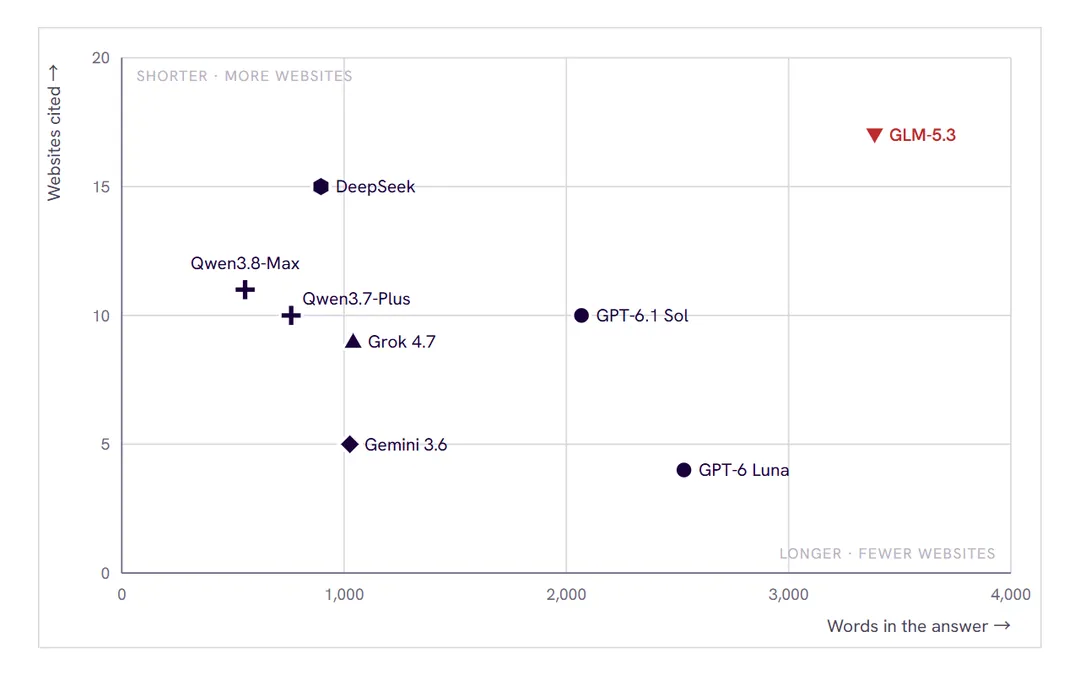
The same count the comparison's density chart uses. A website is a distinct hostname.
| Website | Links |
|---|---|
| aperian.com | 1 |
| aqpartners.jp | 1 |
| food-export.jp | 1 |
| invoicedataextraction.com | 1 |
| japanbusinesssecrets.substack.com | 1 |
| jfex.jp | 1 |
| mindmelt.jp | 1 |
| newji.ai | 1 |
| silkdrive.com | 1 |
Read another answer.
| Model | Setting | Asked | Words | Websites |
|---|---|---|---|---|
| GPT-6 Luna | High | 9 Oct 2026 | 2,529 | 4 |
| GPT-6.1 Sol | High | 9 Oct 2026 | 2,068 | 10 |
| Gemini 3.6 | Thinking | 9 Oct 2026 | 1,026 | 5 |
| Qwen3.8-Max | Thinking | 9 Oct 2026 | 555 | 11 |
| Qwen3.7-Plus | Thinking | 9 Oct 2026 | 762 | 10 |
| DeepSeek | DeepThink | 9 Oct 2026 | 896 | 15 |
| GLM-5.3 | Not selected | 9 Oct 2026 | 3,387 | 17 |