
Qwen3.8-Max at Thinking, asked 9 Oct 2026
One answer from the comparison, shown in full as the model produced it on 9 October 2026. Nothing is edited. Its 11 cited links were opened and graded on 31 October 2026: 1 of 5 cited passages are fully backed. The comparison explains the check.
1. Critical Business Culture & Quotation Nuances
In Japan's complex distribution system, wholesalers (Ton'ya) act as highly influential gatekeepers who manage retailer relationships, credit risk, and market intelligence (https://www.travesia.jp/insights/102). Your quotation must explicitly outline how your local OEM facility reduces the wholesaler's logistical burden, as Japanese buyers consider supply consistency and batch quality variations as a matter of fundamental trust rather than a negotiating point (https://asiapro-distribution.com/5-things-to-know-about-food-distributors-in-japan/).
Japanese consumers and retailers differentiate strictly between shomi kigen (best-before date indicating peak quality) and shohi kigen (use-by date indicating safety) (https://www.threads.com/@hidden_japan_gems/post/DbvatZpm2-F/two-japanese-food-dates-answer-different-questions-shohi-kigen-use-by-safety/). Your quotation must explicitly detail your delivery freshness guarantees and cold-chain compliance, as supermarkets heavily discount or reject products nearing these dates (https://www.jeepe.jp/en/articles/japan-supermarket-guide-1792). Furthermore, packaging that guarantees hygiene and safety is a major driver in the Japanese market, so include detailed HACCP and allergen compliance documentation directly in the RFQ response (https://www.sphericalinsights.com/reports/japan-food-packaging-market).
2. Strategies to Outsmart Competitors
Japan's functional food market reached $14.6 billion in 2025 and is projected to grow massively over the next decade (https://mindmelt.jp/insights/japan-consumer-trends-2026). Because domestic competitors are often slowed down by legacy recipes and massive approval hierarchies, use your agile local OEM to formulate products with specific, scientifically backed functional claims (e.g., "supports sleep quality" or "improves gut flora") to capture the rapidly expanding wellness-driven spending trend (https://www.innovamarketinsights.com/trends/consumer-food-and-beverage-trends-in-japan-2026/).
You can also outmaneuver foreign importers by heavily marketing Chisan-chisho (local production for local consumption), which slashes carbon footprints and avoids import delays (https://www.theworldfolio.com/interviews/how-regional-japanese-wholesaler-asahi-shokuhin-is-shaping-global-food-trends/6979/). Japan's sustainable packaging market is projected to grow at an annual rate of over 7% between 2025 and 2030, so quoting eco-friendly, mono-material, or biomass packaging will directly appeal to the strict ESG goals of major retail chains (https://en.jasec.or.jp/single-post/sustainability-and-packaging-innovation-in-japan-s-online-retail-industry). Additionally, convenience stores and modern retailers gain market share through tech-savvy fresh food logistics, so pitching an AI-driven inventory replenishment model in your quotation will make you an indispensable partner (https://www.nrn.com/restaurant-technology/c-stores-in-japan-gain-market-share-with-tech-savvy-fresh-food).
3. "Wacky" but High-Value Ideas
Weather-Triggered "Tenko" Dynamic Supply Chain Japanese retailers suffer from high food loss when weather predictions miss. Offer a "flex-capacity" clause in your OEM contract to pivot 15% of production based on 7-day weather forecasts (e.g., more hot oden/stew bases for cold snaps, or cold hydration items for heatwaves) to guarantee the wholesaler high sell-through rates and drastically reduce dead stock returns.
The "Imperfect" Upcycled B2B Line (SDG Hero) Create a secondary, heavily discounted SKU line made exclusively from the "ugly" produce or byproducts of your primary production line. Offer this as a B2B exclusive for the wholesaler to sell to business hotels, corporate cafeterias, or discount stores to help them meet strict Japanese government SDG (Sustainable Development Goals) and food-loss reduction targets.
"Konbini 2.0" Regional Micro-Batching Instead of a one-size-fits-all national product, use your local OEM to offer "Regional Micro-Batches" that tailor the umami or spice profile specifically for Kansai vs. Kyushu consumers based on local POS data. Produce small batches only when pre-ordered by the wholesaler to guarantee zero dead stock.
Shokunin (Artisan) Digital Traceability Include a unique QR code on every wholesale case that links to a short video of the actual Japanese farmers or your local OEM chefs. In Japan, the Shokunin (craftsman) spirit is deeply respected, and giving wholesalers this digital marketing asset allows them to easily sell the "story" and food tech innovation to boutique retailers and high-end supermarkets (https://www.jfex.jp/hub/en-gb/blog/trends/innovative-technology-transforming-japanese-food.html).
End of the answer. AI-generated, unverified. Asked 9 Oct 2026.
11 websites, 11 links.
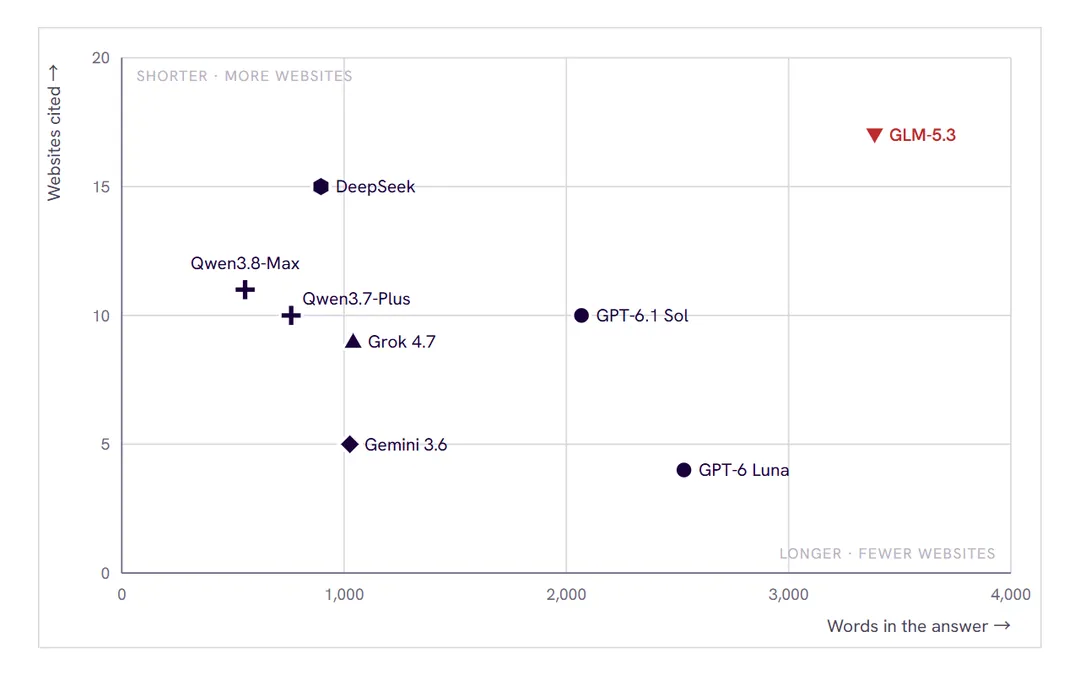
The same count the comparison's density chart uses. A website is a distinct hostname.
| Website | Links |
|---|---|
| asiapro-distribution.com | 1 |
| en.jasec.or.jp | 1 |
| innovamarketinsights.com | 1 |
| jeepe.jp | 1 |
| jfex.jp | 1 |
| mindmelt.jp | 1 |
| nrn.com | 1 |
| sphericalinsights.com | 1 |
| theworldfolio.com | 1 |
| threads.com | 1 |
| travesia.jp | 1 |
Read another answer.
| Model | Setting | Asked | Words | Websites |
|---|---|---|---|---|
| GPT-6 Luna | High | 9 Oct 2026 | 2,529 | 4 |
| GPT-6.1 Sol | High | 9 Oct 2026 | 2,068 | 10 |
| Gemini 3.6 | Thinking | 9 Oct 2026 | 1,026 | 5 |
| Grok 4.7 | Fast | 9 Oct 2026 | 1,041 | 9 |
| Qwen3.7-Plus | Thinking | 9 Oct 2026 | 762 | 10 |
| DeepSeek | DeepThink | 9 Oct 2026 | 896 | 15 |
| GLM-5.3 | Not selected | 9 Oct 2026 | 3,387 | 17 |